The Fool’s Journey: How Tarot Teaches Us to Trust the Process When Life Feels Uncertain
The tarot’s message for August 2026 is a call to trust the process tarot readers know as the Fool’s Journey. A recent reading from astrology.com frames this month as a threshold where surrender becomes not a weakness but a strategy. The Fool, the zero card of the Major Arcana, steps off the cliff with no map and no guarantee. That image is not a warning. It is the entire curriculum of trust.
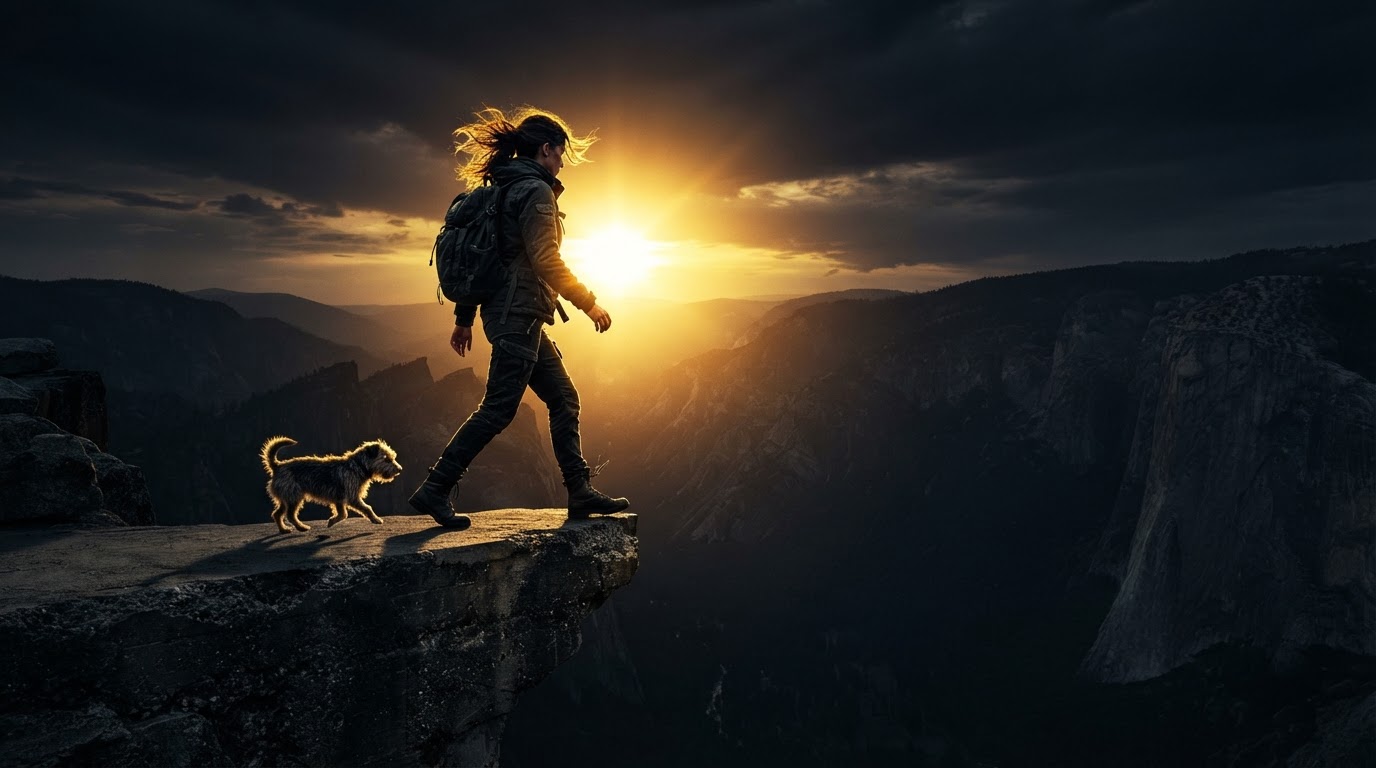
This is not a fleeting seasonal theme. The Fool’s Journey is the spine of the tarot, a twenty-two-stage arc from innocence to integration. Every card after The Fool is a lesson in releasing control, facing the unknown, and allowing life to unfold without forcing outcomes. When uncertainty dominates, the tarot does not offer a shortcut. It offers a process. And that process is built on trust.
What Is the Fool’s Journey?
The Fool’s Journey is the narrative thread that runs through the twenty-two Major Arcana cards. It begins with The Fool, numbered zero, a figure on the edge of a precipice, and ends with The World, the card of completion and wholeness. Between them lie archetypal experiences: encounters with authority, crisis, revelation, death, and rebirth. Each card is not a prediction but a stage of inner development. The journey is not linear in the sense of a straight path. It is a spiral, returning to the same lessons at deeper levels.
In tarot practice, this framework is used to understand a person’s current position in their own life cycle. When a reading places a client at The Hermit, for example, the message is not that they must isolate. It is that they are in a phase of introspection that will prepare them for the next threshold. The Fool’s Journey transforms random card pulls into a coherent map of personal evolution. And at every turn, the map asks the same question: can you trust the process enough to take the next step?
How Does The Fool Teach Us to Trust the Process?
The Fool is the only card in the deck that carries the number zero. Zero is not nothing. It is pure potential, the space before form. The Fool does not know what lies beyond the cliff edge. The small dog at their heels may be a warning or a companion. The sun behind them is rising or setting. The card refuses to resolve these ambiguities. That refusal is the first lesson in trust: you will never have all the information before you move.
Most people approach uncertainty by gathering more data, delaying action until the path is clear. The Fool inverts that logic. Action precedes clarity. The leap is the only way to discover what the cliff conceals. This is not recklessness. It is a calculated surrender to the intelligence of the journey itself. The tarot does not promise safety. It promises that the journey has a structure, and that structure will hold you if you let it.
How to Trust the Process Tarot Reveals Through the Major Arcana
Beyond The Fool, the Major Arcana unfolds a sequence of trust tests. Each card demands a different quality of surrender. The Magician teaches trust in one’s own resources. The High Priestess teaches trust in intuition over logic. The Emperor and Hierophant test trust in external structures and traditions. The Lovers forces a choice that cannot be fully rationalized. The Chariot demands trust in forward momentum even when the direction is contested.
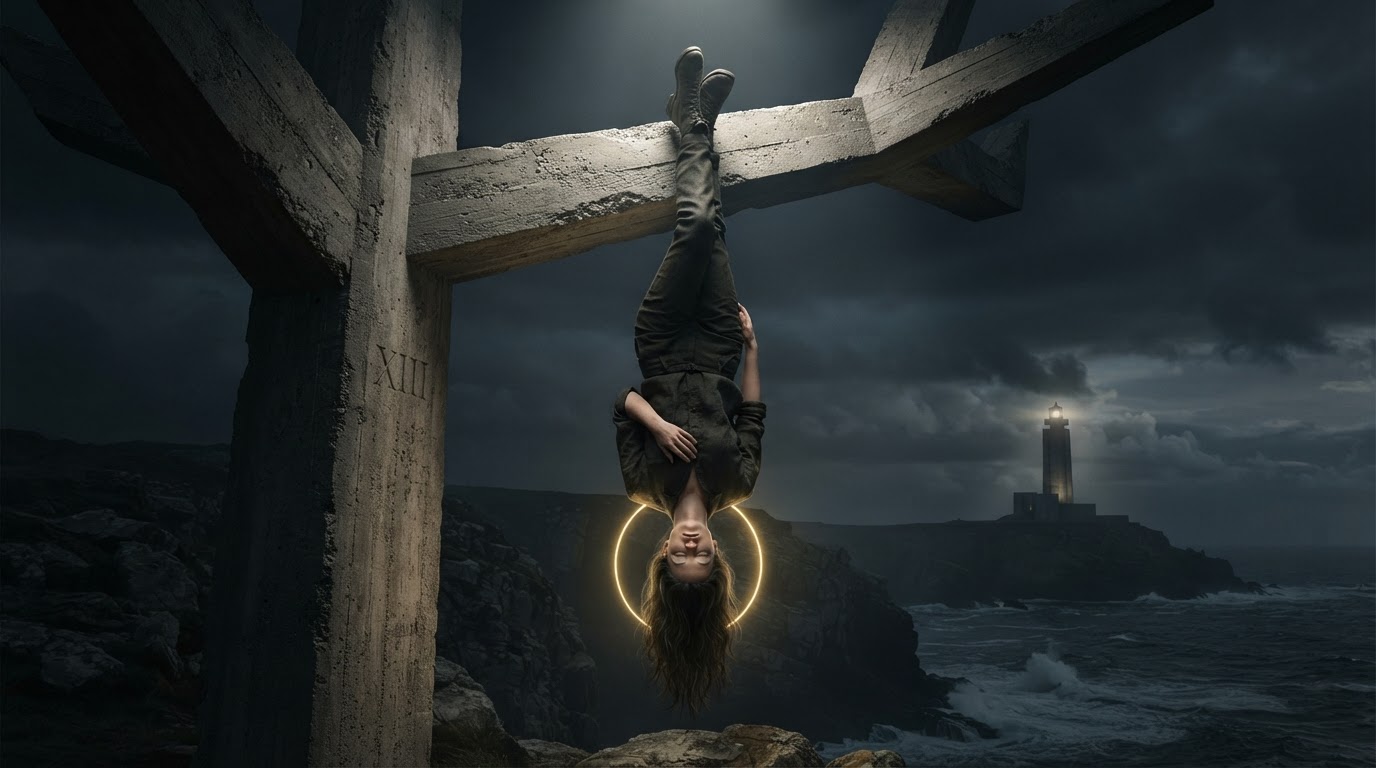
The second half of the Major Arcana intensifies these lessons. The Hanged Man is the card of voluntary suspension, a figure hanging upside down with a serene expression. This is trust as radical acceptance: the situation will not change until you change your relationship to it. Death follows, not as literal ending but as the dissolution of what is no longer viable. Trusting Death means releasing identities, relationships, and plans without knowing what will replace them. The Tower shatters false structures. The Star offers a quiet after the collapse, a moment of naked hope. The Moon obscures the path entirely, demanding trust in the dark. The Sun restores clarity. Judgement calls for a final reckoning, and The World delivers integration.
Every single card in this sequence is a trust exercise. The tarot does not ask you to believe in a benevolent universe. It asks you to observe that the Fool’s Journey has a coherent architecture, and that coherence is evidence enough to take the next step.
Why Is Surrender a Necessary Step in the Fool’s Journey?
Surrender is not defeat. In the context of the tarot, surrender is the act of aligning with the current rather than thrashing against it. The Hanged Man is the clearest emblem of this. The figure is not struggling. They are suspended, seeing the world from an inverted perspective, and that inversion is the source of their wisdom. Without that surrender, the insight of the Hanged Man cannot arrive. The Death card cannot do its work if the ego clings to the corpse of the old life.
This is the point where many people abandon the process. The discomfort of not knowing becomes intolerable, and they retreat into false certainty or compulsive control. The tarot’s response is not comfort. It is the next card in the sequence. After Death comes Temperance, the alchemical blending of opposites. After The Tower comes The Star, the first glimmer of a new order. The journey itself provides the reassurance. You do not need to trust the outcome. You only need to trust that the next card will appear, and that it will contain the precise lesson you require.

How Can We Apply the Fool’s Journey to Daily Uncertainty?
The Fool’s Journey is not a theoretical construct. It is a diagnostic tool. When life feels uncertain, the first step is to locate yourself on the arc. Are you at The Hermit, needing withdrawal and reflection? Are you at The Chariot, needing to commit to a direction despite conflicting impulses? Are you at The Moon, where the path is deliberately obscured and the only instruction is to keep walking?
A tarot reading can identify that position with precision. It can reveal which card is active in your life and what the next stage demands. This is not fortune-telling. It is pattern recognition. The cards do not tell you what will happen. They tell you what is happening now, and what the architecture of the journey suggests must come next. That information is a form of trust. It replaces the anxiety of the unknown with the clarity of the process.
Practical application begins with a single question: what is the next step, not the final destination? The Fool does not ask where the cliff leads. They take the step. The tarot invites you to do the same, one card at a time.
Trust the Process Tarot as a Lifelong Practice
Trust is not a one-time decision. It is a practice that deepens with each cycle of the Fool’s Journey. The first time you encounter Death, you may resist. The third time, you may recognize the pattern and release more quickly. The tarot becomes a mirror for your own capacity to surrender. Over time, the cards do not change. You change. And that change is the evidence that the process works.
The August 2026 tarot reading is a reminder, not a revelation. The call to trust is always present. The Fool’s Journey is always available. The only variable is your willingness to step off the cliff without a map, knowing that the map will be drawn beneath your feet as you walk.
When uncertainty clouds the path, a tarot reading can illuminate the next step. The Fool’s Journey is not a map to follow blindly, but a mirror to your own trust. To explore where you stand on that arc, consider the Tarot Reading service at Midnight Majestic. If you are wondering whether now is the right time, learn the 5 signs you need a tarot reading.