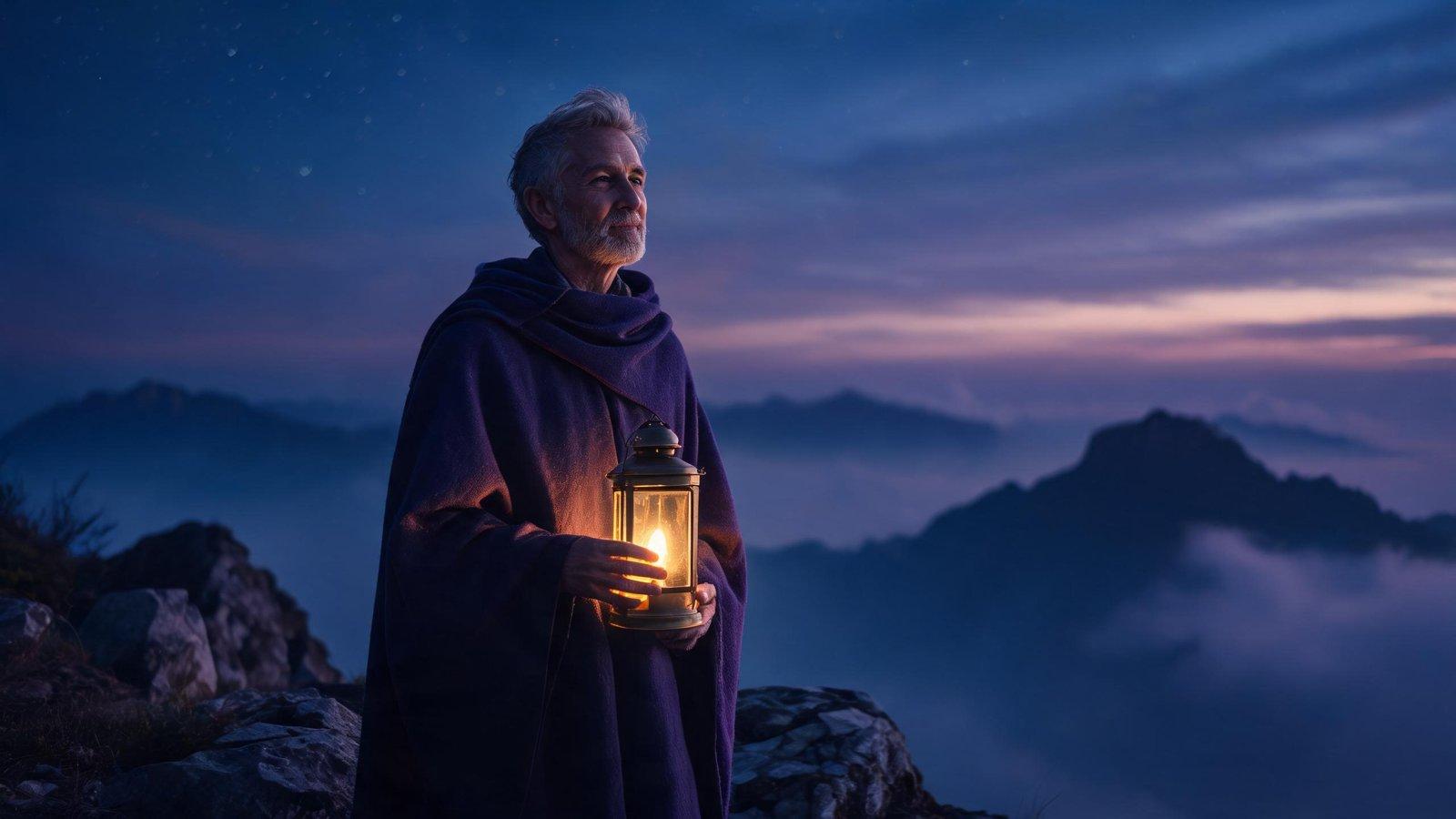
The Hermit is one of the most misread cards in the deck. People see an old man alone in the dark and assume isolation, rejection, or an empty future. But the image shows someone who climbed to the summit, lit a lantern, and stood there by choice. Card IX is about chosen withdrawal, not forced exile.
The One Distinction That Changes the Hermit: Solitude vs. Loneliness
The core of The Hermit is the difference between solitude and loneliness. Solitude is a room you walk into on purpose. Loneliness is a door that got stuck behind you. The Hermit is always the first kind.
He did not get lost on that mountain. He climbed it. The withdrawal is deliberate, temporary, and productive. He is up there to think, to strip away the noise, and to hear what the crowded valley hides. That is why The Hermit gets confused with loneliness. In a marriage reading, a client saw the old man on the snowy mountain and asked if it meant she would end up by herself. The answer was the opposite: The Hermit does not mean being left alone. It means choosing to be.
That distinction shapes the rest of the card. Upright, the stepping back is producing something. Reversed, the stepping back has become hiding and stopped producing. Solitude with a question in it is the upright Hermit. Solitude without one is loneliness with better branding.
Upright: Deliberate Withdrawal That Returns With Something Useful
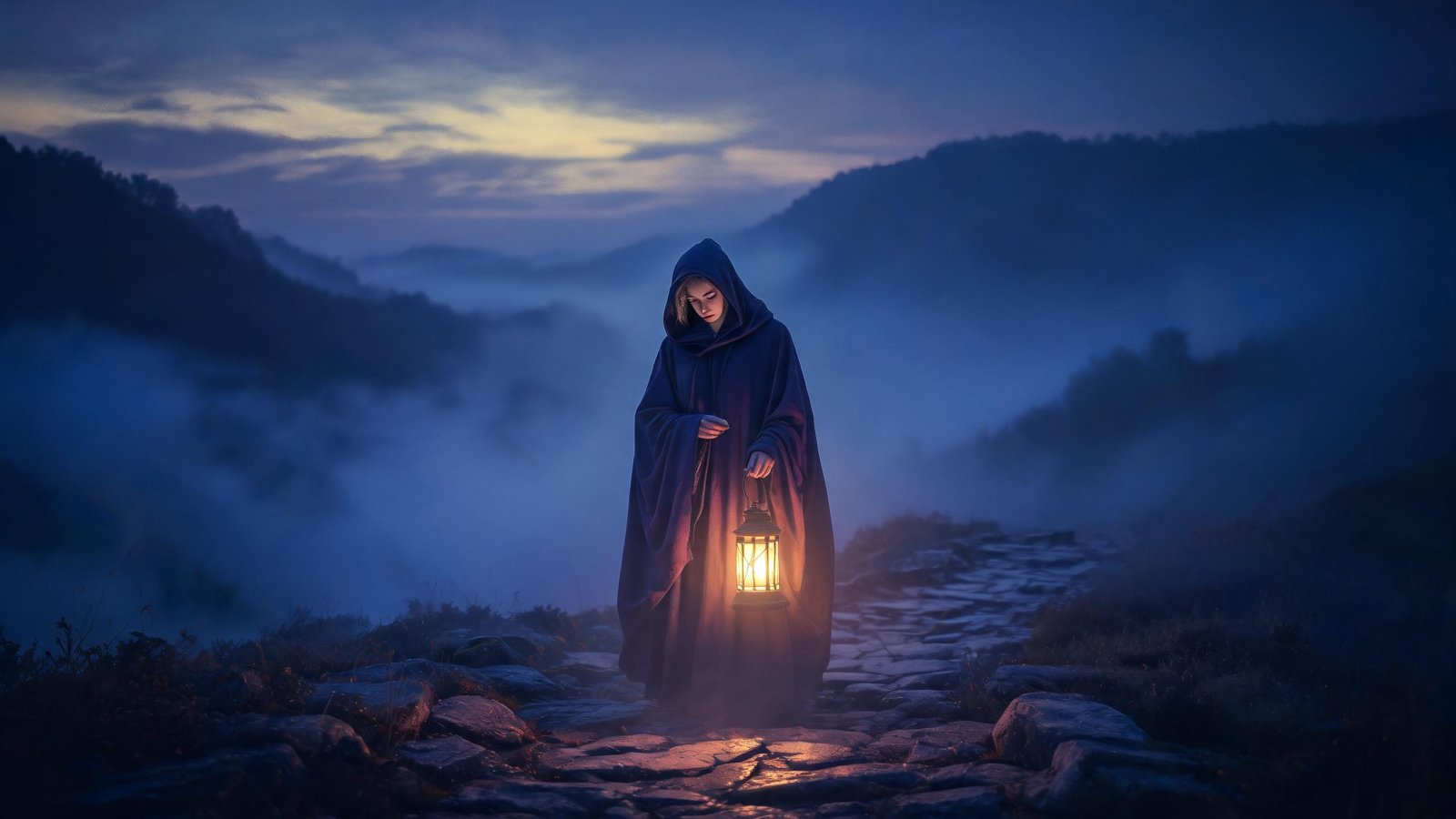
Upright, The Hermit asks you to step back from something on purpose. It is the card of intentional withdrawal, the kind that returns with something useful. Solitude is the method, not the goal.
The card often appears when external input has become too loud: a relationship dynamic is repeating, a constant work stress is humming in the background, a stream of noise has been crowding out your own thinking. The answers you have been chasing externally will not land until you give yourself real quiet to receive them. The Hermit asks for aloneness, even for a day or two. Pull back from your phone for one weekend with no input. No conversations, no scrolling, no shows, no podcasts. The first day feels restless. By the second day you notice things you have not had room to notice in months.
The withdrawal has a purpose. It is a laboratory, not a hiding place. The cave and the mountain are not the destination. They are the conditions under which something else becomes possible. The upright Hermit often means the reflecting is already done. The card describes a deliberate withdrawal with a defined end and something to bring back. It does not promise what you will find. It promises that the going itself is intentional.
Reversed: When Stepping Back Becomes Hiding
Reversed, The Hermit changes shape. The withdrawal is no longer producing anything. It has outlived its usefulness. Where the upright Hermit leaves the village because something in him requires space, the reversed Hermit may be using solitude as a reason not to return. The keywords shift from soul-searching and inner guidance to isolation, loneliness, and rejecting help.
The reversed card can point to excessive self-reliance, a refusal to emerge, or a loneliness misread as solitude. What began as a chosen retreat has become a closed loop. The light is no longer being carried anywhere. Upright Hermit is solitude with a question in it. Reversed Hermit is solitude that has stopped asking anything.
The Lantern, the Staff, and the Mountain: Symbolism of Intentional Solitude
The Rider-Waite-Smith image gives The Hermit its visual grammar. A robed figure stands alone on a snowy mountain peak, holding a lantern with a six-pointed star in one hand and a tall staff in the other. The lantern represents inner wisdom illuminating the path. In some decks the lantern is not a flashlight but a symbol of wisdom already carried, now being offered. The Hermit is not seeking illumination. He is becoming it.
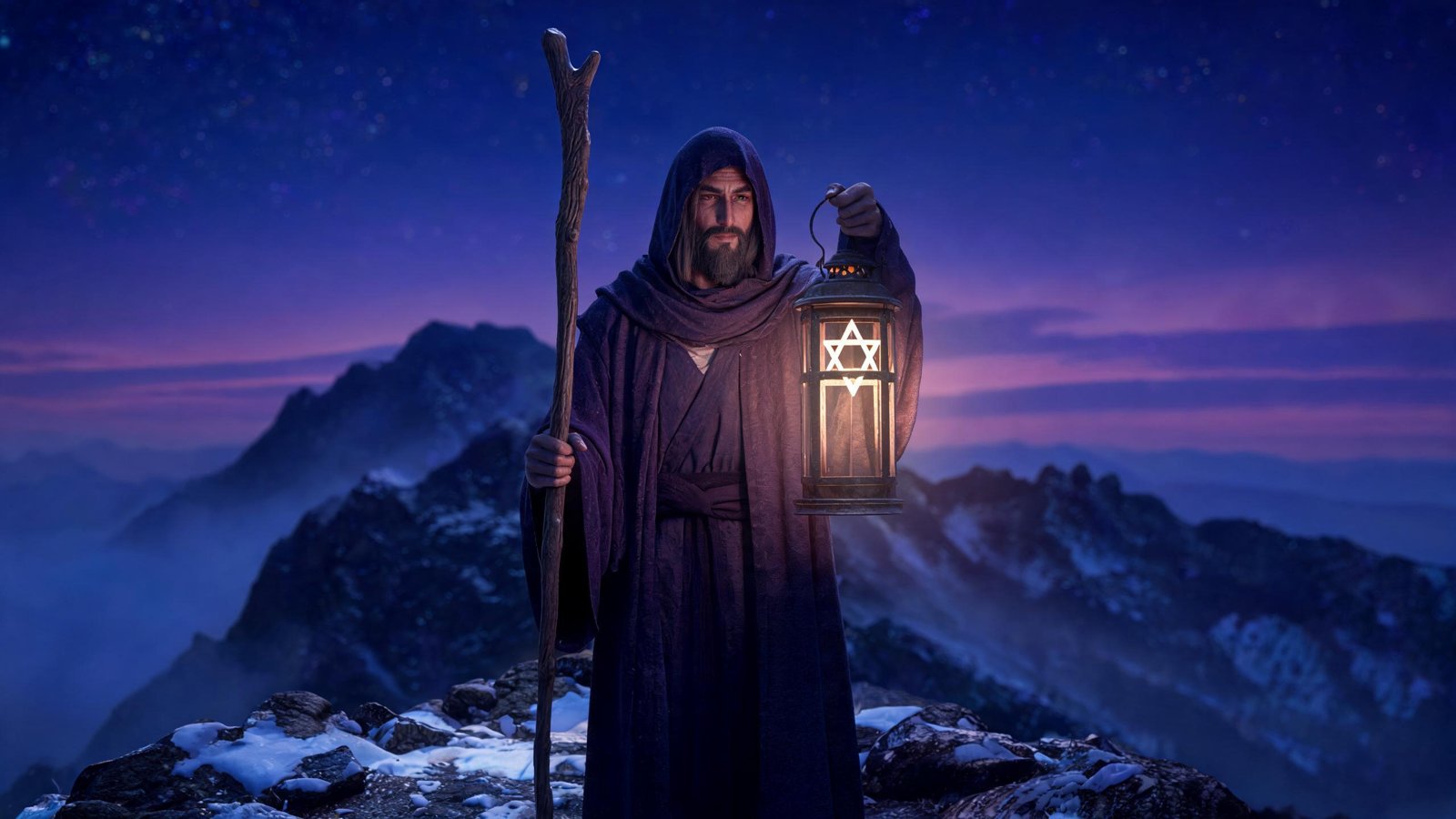
The staff matters because it suggests a journey. The Hermit did not arrive at that peak overnight. He walked there deliberately, step by step. He is standing on a summit. He got there by climbing. That detail changes the reading. This is not somebody hiding from the world. It is somebody holding a light where other people can see it.
The mountain peak represents elevation achieved through solitude. The snow suggests the stripping away of distractions. But the image also contains a quiet paradox: there is no audience, no path back to civilization, no village waiting below. The light may be for the Hermit alone. It may also be something another wanderer sees from a distant peak. The picture is not concerned with the audience.
What The Hermit Cannot Tell You
The Hermit has limits, and they matter because this card is regularly used to make a difficult situation sound spiritual.
The card does not tell you that being alone is good for you. It describes a withdrawal you have already chosen and says nothing about whether the choice was wise. It will not tell you what you will find. The card is about the going, not the answer. The traditional story of the wise hermit returning to share what he learned comes from the hero’s journey. Jesus withdraws into the desert. The Buddha leaves the palace before awakening. Frodo returns to the Shire. But the card itself never tells that story. There is no visible return. It simply shows a solitary figure standing on a mountain, holding up a lamp.
That is what keeps The Hermit honest. It cannot promise an audience for your light or a defined homecoming. It can only mark the moment when you chose to step away, climb to the quiet, and hold up what you know. Whether anyone sees it, and what you do next, is beyond the card.